
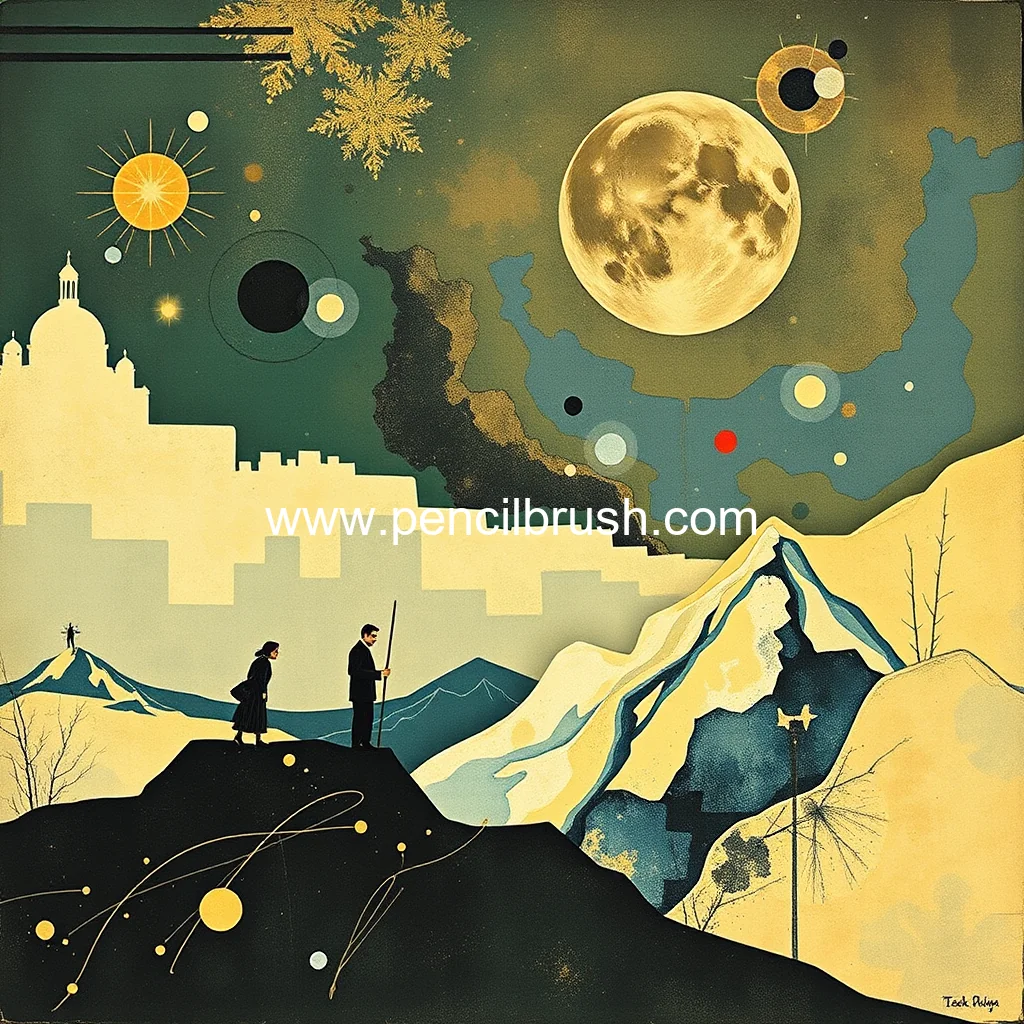
The use of vibrant colors and dynamic compositions in these prehistoric works demonstrate a deep understanding of visual storytelling.
The Evolution of Art Movements
Art has been shaped by various cultural, social, and historical factors throughout its history. The Renaissance, for example, saw a resurgence in classical Greek and Roman influences, leading to the development of realism and humanism.
The Rise of Gothic Art
Gothic art emerged in the 12th century, primarily in Europe, as a response to the Romanesque style that dominated the previous era. The term “Gothic” was initially used as a pejorative, implying that the style was barbaric and uncivilized. However, this label eventually became synonymous with the innovative and expressive art form that characterized the period.
Characteristics of Gothic Art
In this article, we will explore the relationship between two influential art movements: Fauvism and Expressionism.
Fauvism: A Vibrant and Experimental Movement
Fauvism emerged in the early 20th century, primarily in France. Characterized by its bold, vibrant colors and energetic brushstrokes, Fauvism sought to break free from traditional representational art forms. The movement’s name, derived from the French word “fauve,” meaning “wild beast,” reflects its emphasis on raw emotion and instinctual expression. Key features of Fauvism include: + Vibrant, clashing colors + Energetic brushstrokes and textures + Emphasis on capturing emotions and moods + Rejection of traditional representational techniques Fauvist artists, such as Henri Matisse and André Derain, drew inspiration from various sources, including African art, Japanese ukiyo-e prints, and the works of Vincent van Gogh. By incorporating these diverse influences, Fauvism developed a unique visual language that emphasized spontaneity and emotional intensity.
Expressionism: A Response to the Turbulent Times
Expressionism emerged in the early 20th century, primarily in Europe. This movement responded to the turmoil and upheaval of the time, seeking to convey the inner experiences and emotions of individuals. Expressionist artists, such as Edvard Munch and Egon Schiele, drew upon various sources, including psychology, philosophy, and literature.
The Birth of Mannerism
Mannerism was born out of the Renaissance’s classical ideals, but it quickly diverged from its parent movement.
Caravaggio’s use of dramatic lighting and intense shadows created a sense of tension and foreboding.
The Rise of Baroque Art
The Baroque period, which spanned from approximately 1600 to 1750, was a time of great artistic innovation and experimentation. This style emerged as a response to the Mannerist movement, which had dominated the art world for several decades.
Neoclassicism emphasized simplicity, order, and reason. Artists like Jacques-Louis David and Anton Raphael Mengs championed this movement.
The Rise of Rococo
Rococo, a style that emerged in 18th-century France, was characterized by its playful and whimsical nature. Artists like Jean-Honoré Fragonard and François Boucher favored themes that were lighthearted and humorous, often depicting scenes of everyday life.
The Rise of Romanticism
Romanticism was a cultural and artistic movement that sought to challenge the dominant Neoclassical values of reason and order. Emerging in the late 18th century, Romanticism emphasized the importance of emotion, imagination, and individualism. This movement was characterized by a focus on the natural world, the beauty of the human experience, and the power of the human imagination.
Key Features of Romanticism
The Rise of Realism in Art
In the mid-19th century, a new movement emerged in the art world, one that sought to break away from the idealized and romanticized depictions of the past. Realism, a term coined by art critic Charles Baudelaire, aimed to represent the world as it truly was, without the embellishments and fantasies of Romanticism. This shift in artistic perspective was a response to the growing disillusionment with the romantic ideals of the time.
Key Characteristics of Realism
The Evolution of Post-Impressionism
Post-Impressionism emerged as a response to the Impressionist movement, which focused on capturing the fleeting effects of light and color. Post-Impressionists sought to push the boundaries of Impressionism, exploring new ways to express emotion and symbolism.
Key Characteristics
Artists and Their Contributions
The Roots of Expressionism
Expressionism was a response to the societal and cultural upheaval of the late 19th and early 20th centuries. The movement was influenced by the works of artists such as Vincent van Gogh and Paul Gauguin, who had already begun to break away from traditional representational art forms. Key characteristics of Expressionist art: + Distorted forms and exaggerated features + Emphasis on emotional intensity and inner experience + Use of vibrant, bold colors + Experimentation with new techniques and materials
The Artistic Innovations of Expressionism
Expressionist artists sought to break free from the constraints of traditional art forms and explore new ways of expressing the human experience. They drew inspiration from various sources, including:
The Impact of Expressionism on Modern Art
Expressionism had a profound impact on the development of modern art. It paved the way for a wide range of avant-garde movements, including:
+ Emphasis on the individual artist’s experience and emotions + Experimentation with new techniques and materials + Breaking away from traditional representational art forms + Encouraging a more expressive and subjective approach to art
The Legacy of Expressionism
Expressionism’s influence can still be seen in many areas of modern art and culture.
These artworks often featured melting clocks, distorted objects, and otherworldly landscapes.
The Origins of Surrealism
Surrealism emerged in the early 20th century, primarily in Europe. The movement was influenced by various art forms, including Cubism, Fauvism, and Futurism. Artists sought to break free from traditional representations of reality and explore the subconscious. Key figures in the early days of Surrealism included:
- – Salvador Dalí
- – Max Ernst
- – André Breton
- – René Magritte
The Techniques of Surrealist Artists
Surrealist artists employed a range of techniques to tap into the unconscious mind. Some of these techniques included:
They sought to break free from traditional techniques and create a new visual language.
The Origins of Cubism
Cubism emerged in the early 20th century, primarily in France and Italy. The movement was pioneered by Pablo Picasso and Georges Braque, who rejected traditional techniques of perspective and representation. They sought to break down objects into geometric shapes and reassemble them in abstracted forms.
Cubism’s influence can be seen in various art movements, including Abstract Expressionism, Pop Art, and Minimalism.
The Legacy of Cubism
Cubism’s impact on modern art cannot be overstated. The movement’s radical departure from traditional techniques and its emphasis on geometric forms paved the way for a wide range of innovative art movements.
Tatlin’s designs were meant to inspire and provoke, pushing the boundaries of what was possible in art and design.
The Origins of Constructivism
Constructivism emerged in the early 20th century, primarily in Russia, as a response to the perceived limitations of traditional art forms. The movement sought to break free from the constraints of realism and focus on the creation of functional, three-dimensional objects that could be used in everyday life.
Key Principles
This emphasis on functionalism and simplicity led to the development of modernist architecture, exemplified by buildings like Le Corbusier’s Villa Savoye.
The Origins of Constructivism
Constructivism emerged in the early 20th century, primarily in Russia and Europe. The movement was influenced by the Russian avant-garde, which sought to challenge traditional artistic conventions. Key figures like Kazimir Malevich and Lyubov Popova developed a new approach to art, focusing on geometric forms and primary colors.
Key Principles of Constructivism
Minimalism: A Reaction Against Excess and a Focus on the Essential.
The Origins of Minimalism
Minimalism emerged in the 1950s and 1960s as a reaction against the excesses of modern art. It sought to strip away unnecessary elements and focus on the essence of art. The Bauhaus movement, which emphasized the importance of form and function, played a significant role in shaping the minimalist aesthetic.
Key Characteristics of Minimalism
The Impact of Minimalism
Minimalism had a significant impact on the art world, influencing a wide range of artistic movements and styles.
Influence on Other Art Movements
Neo-Pop artists often incorporated elements of Surrealism and Abstract Expressionism, while Appropriation artists used images from advertising and popular culture to challenge societal norms.
The Origins of Pop Art
Pop Art emerged in the late 1950s in the United States and the United Kingdom.
Conceptual Art challenges traditional notions of art, shifting focus from physical creation to ideas and language.
The Evolution of Conceptual Art
Conceptual Art emerged in the 1960s as a reaction against traditional fine art practices. It sought to challenge the notion of what constitutes art, questioning the role of the artist and the viewer. This movement was characterized by its focus on ideas, language, and the concept itself, rather than the physical creation of the artwork.
Key Features of Conceptual Art
Surrealism’s influence can be seen in the works of artists like Salvador Dalí, René Magritte, and Max Ernst, who pushed the boundaries of conventional representation.
The Roots of Surrealism
Surrealism emerged in the early 20th century as a response to the rationalism and logic of the Enlightenment. Artists sought to tap into the subconscious mind, exploring the world of dreams and the irrational. This movement was heavily influenced by Sigmund Freud’s psychoanalytic theories, which posited that the subconscious mind played a significant role in shaping human behavior and creativity. Key concepts in Surrealism include:
- The power of the subconscious
- The blurring of reality and fantasy
- The use of automatism and chance
The Birth of Psychedelic Art
In the 1960s, Surrealism’s influence can be seen in the emergence of Psychedelic Art.
Tentative Timeline of Artistic Influences

news is a contributor at PencilBrush. We are committed to providing well-researched, accurate, and valuable content to our readers.


